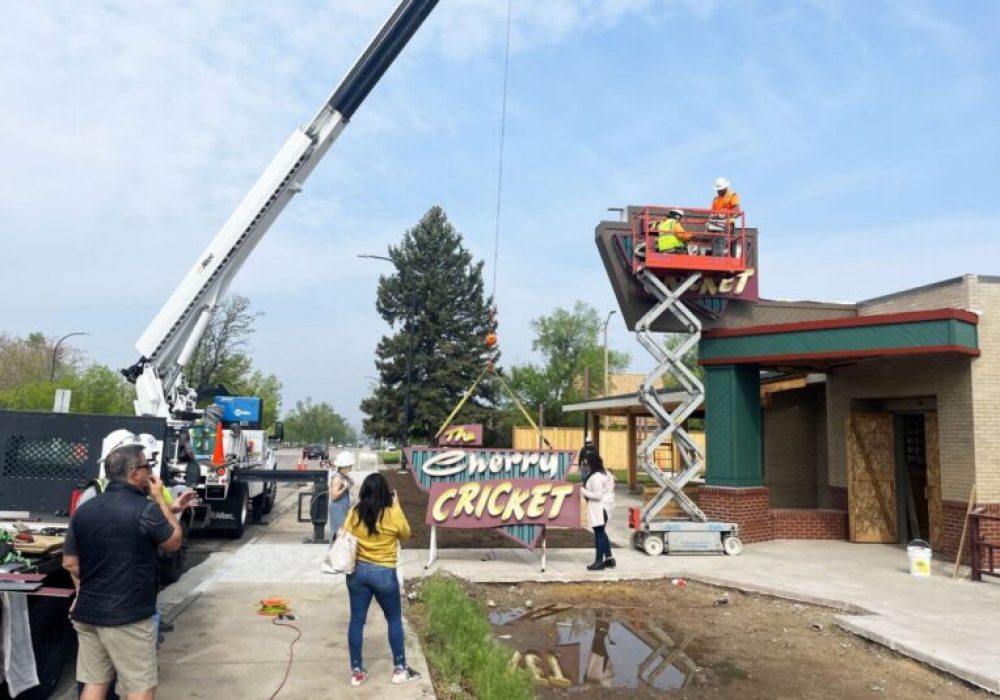
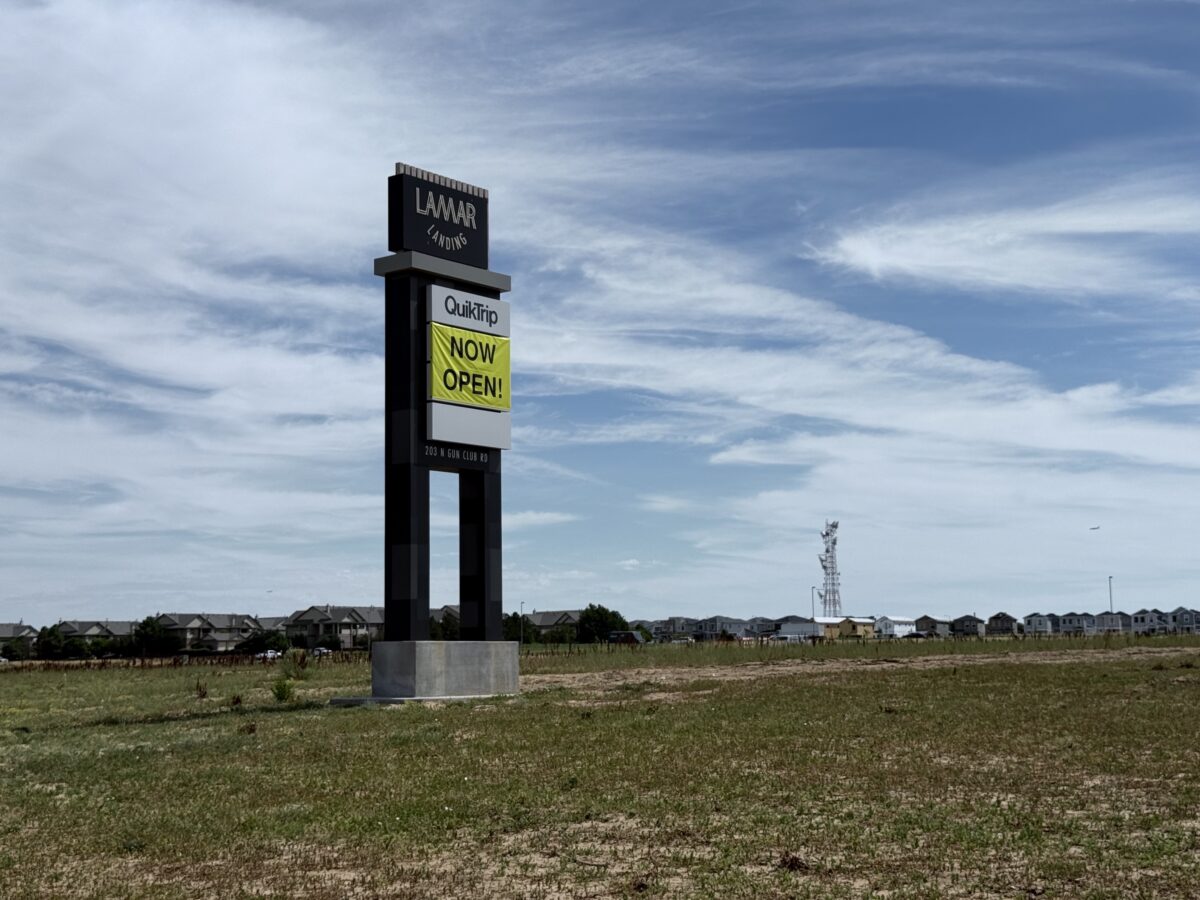
A Pylon Sign is more than just a landmark; it is a high-altitude investment that serves as a beacon for your brand. Standing tall against the elements, these structures are designed for durability, but they are not “set and forget” assets. Because of their height and exposure to high winds, intense UV rays, and heavy precipitation, a proactive maintenance schedule is essential to ensure your business remains visible and professional for years to come.
Routine Cleaning and Inspection Tips

The first step in longevity is regular visibility. Dirt, bird droppings, and industrial pollutants can accumulate on the face of your Pylon Sign, dulling its colors and reducing its impact.
- Surface Cleaning: Depending on your location, a professional soft-wash once or twice a year can remove corrosive grime without damaging the acrylic or polycarbonate faces. Avoid harsh chemicals that can strip UV-protective coatings.
- Visual Inspections: Use binoculars or a drone to conduct quarterly inspections from the ground. Look for hairline cracks in the panels, fading graphics, or signs of nesting birds.
- Electrical Audits: If your sign is illuminated, perform a “night check” every month. A flickering LED or a dark section not only looks unprofessional but can also indicate a short circuit or water ingress that needs immediate attention before it causes a larger electrical failure.
Repair and Weatherproofing Strategies for a Pylon Sign
Because a Pylon Sign is a major structural element, weatherproofing is your best defense against the aging process.
Structural integrity is paramount. High-wind areas can cause “oil canning”—a slight warping of the metal panels—or loosen the mounting bolts over time. Ensure a licensed technician inspects the internal steel supports and base plates every few years for signs of rust or structural fatigue.
Updating your weather stripping and seals is also a cost-effective way to prevent moisture from entering the internal cabinet. Moisture is the enemy of both the electrical components and the graphics; it leads to mold growth inside the sign and can cause “ghosting” or peeling of the vinyl lettering. If your sign still uses older fluorescent tubes, consider a retrofit to LED modules. LEDs are not only more energy-efficient but are also moisture-resistant and vibrate less in the wind, significantly reducing the frequency of expensive bucket-truck repair visits.
A well-maintained pylon sign speaks volumes about the quality of the business beneath it. By staying ahead of repairs and keeping your graphics crisp, you ensure your first impression remains a powerful one. Partner with our expert team today to design, install, and maintain a signature structure that stands the test of time!